The Artistic Influence of Motifs in Rug Design
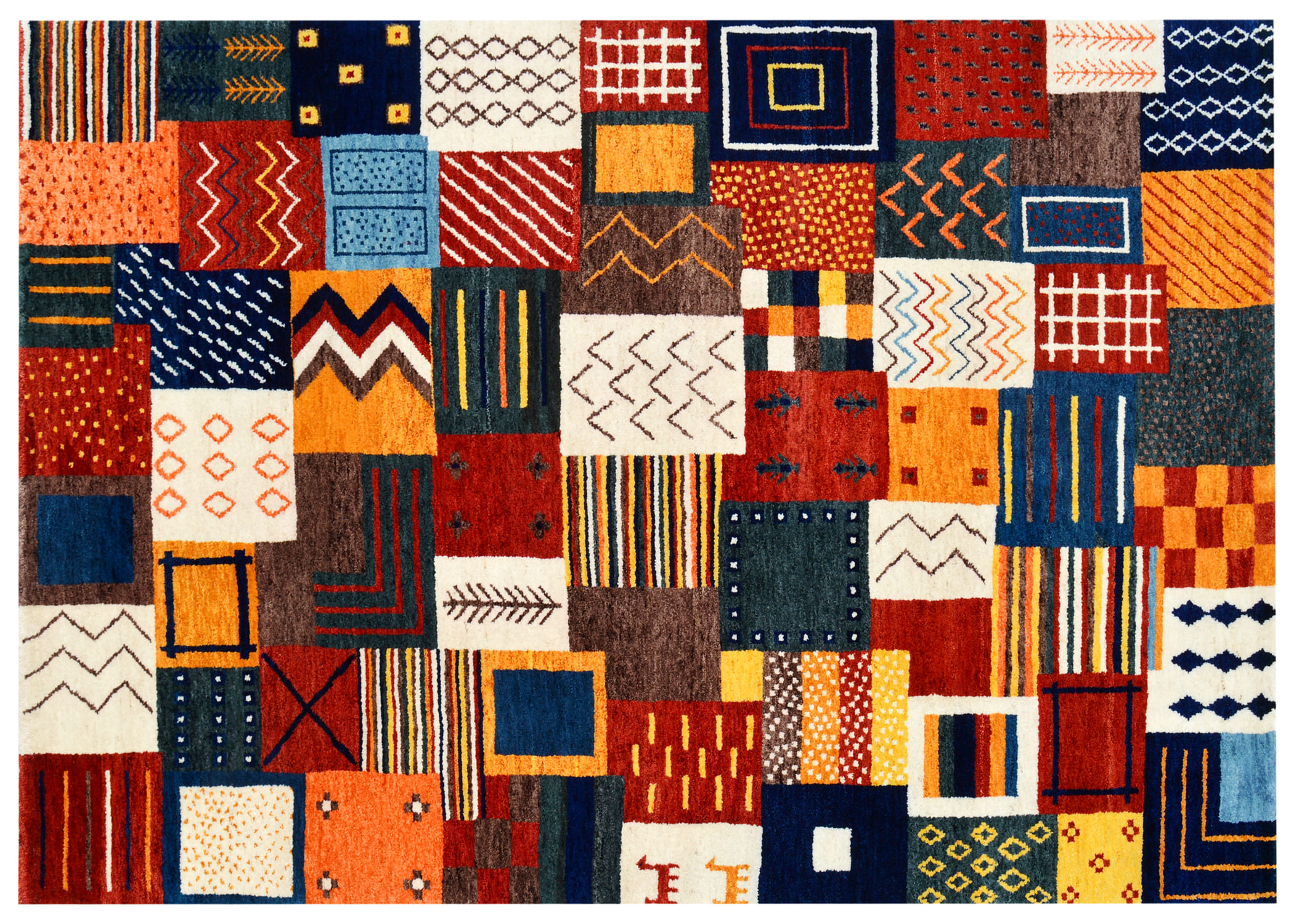
Hand-knotted rug by National Art Company
Rugs are often seen as finishing touches in a room, but
their true value runs far deeper than surface beauty.
Across cultures and generations, they have acted as
quiet storytellers, carrying memory, identity and
emotion within every thread. At the heart of these
woven narratives are motifs, subtle yet powerful
symbols that give rugs their voice, rhythm and soul.
From soft floral patterns that echo nature’s calm to
bold tribal forms that reflect heritage and belonging,
motifs shape not just how rugs look but how they feel.
They turn woven surfaces into living expressions of
art, craftsmanship and human experience.
Motifs as a Language of Meaning
A motif is more than a decorative element. It is a
repeated symbol that brings structure and emotion into
rug design. In rug weaving, motifs are often inspired
by nature, spirituality, architecture and cultural
memory.
Across generations, weaving communities have developed
unique visual languages through these symbols. What
emerged was not just decoration but meaning expressed
through pattern. Many traditional motifs represent
protection, prosperity, harmony, growth or continuity,
giving rugs both aesthetic and emotional depth.
This is why even a simple pattern can feel familiar,
comforting or deeply expressive.
Floral Motifs: The Poetry of Nature
Floral motifs are among the most enduring designs in
rug weaving. They reflect the softness of petals, the
rhythm of vines and the natural flow of growth and
life.
These patterns often create a sense of calm and warmth,
as though nature has been translated into textile form.
Floral designs bring movement without chaos and
elegance without effort. In interiors, they soften
structured spaces and create a more inviting
atmosphere.
Floral rugs do not simply decorate a room. They bring
a quiet sense of harmony into it.
Geometric Motifs: Structure, Balance and Clarity
Geometric motifs express order and precision. Rooted
in ancient weaving traditions, they use repetition and
symmetry through shapes such as diamonds, lines, stars
and interlocking forms.
There is a grounding quality to geometric rug design.
These rugs often feel structured and intentional,
bringing visual balance to interiors. In modern spaces,
they help anchor a room while maintaining artistic
character.
Their strength lies in simplicity, where minimal design becomes a form of expression.
Medallion Designs: Focus and Visual Harmony
Medallion motifs create a strong sense of focus. With
a central design that draws the eye inward, they
establish balance and structure within a space.
Inspired by classical art traditions, medallion rugs
often feel refined and composed. They organise a room
visually, creating calm symmetry and presence.
Placed in interiors, they act as a focal point that
grounds the surrounding space while adding elegance and
definition.
Tribal Motifs: Heritage and Human Expression
Tribal motifs are among the most expressive patterns
in rug design. They are not just decorative forms but
reflections of lived experience, cultural identity and
heritage passed down through generations.
These designs often feature bold geometry, earthy tones
and natural imperfections that highlight their handmade
origin. Each piece carries individuality, making every
rug feel unique.
Tribal motifs hold emotional depth because they reflect
memory, tradition and the human hand behind the craft.
The Emotional Role of Motifs in Interiors
Motifs influence more than appearance. They shape the
emotional character and atmosphere of a space.
- Floral motifs create softness and calm
- Geometric patterns bring clarity and structure
- Medallion designs add balance and focus
- Tribal motifs introduce warmth and character
In this way, motifs function like emotional
architecture in interior design. They quietly shape
atmosphere, transforming interiors into spaces that
feel more intentional and expressive.
A carefully chosen rug does more than complement a
room. It defines how the space feels.
A Living Connection Between Past and Present
Despite evolving design trends, motifs remain deeply
relevant in modern rug design. Contemporary rug makers
continue to reinterpret traditional patterns through
modern colours, softer textures and minimal compositions.
This evolution allows heritage to remain alive while
adapting to current aesthetics. Motifs are not static
symbols. They are living expressions that carry history
forward while remaining meaningful in modern interiors.
The Lasting Imprint of Motifs in Design
Motifs are the emotional heartbeat of rug design. They
transform woven material into something intimate,
expressive and alive with story. Whether drawn from
nature, geometry or cultural memory, each pattern
carries a quiet depth that goes beyond visual appeal.
At National Art Company, our handmade rugs and carpets
are crafted to honour this tradition of meaningful
design. Every piece is carefully woven using skilled
techniques and thoughtful detailing, where motifs are
not just decorative elements but expressions of
heritage, artistry and human touch.
In modern interiors, rugs with meaningful motifs do
more than complete a room. They bring warmth, identity
and emotional texture into everyday life. Through our
handcrafted creations, National Art Company continues
to preserve this connection between art, craftsmanship
and living spaces, ensuring each rug carries a sense
of story and belonging.
And in doing so, they remind us that true beauty is not
only seen, it is felt.
Note Every rug featured
on this website is an original creation of National Art Company, handcrafted by skilled artisans with exceptional care and precision.
We take pride in authentic craftsmanship and every rug showcased here is entirely handmade.