The Emotional Language of Art: How Feelings Take Shape Through Creativity
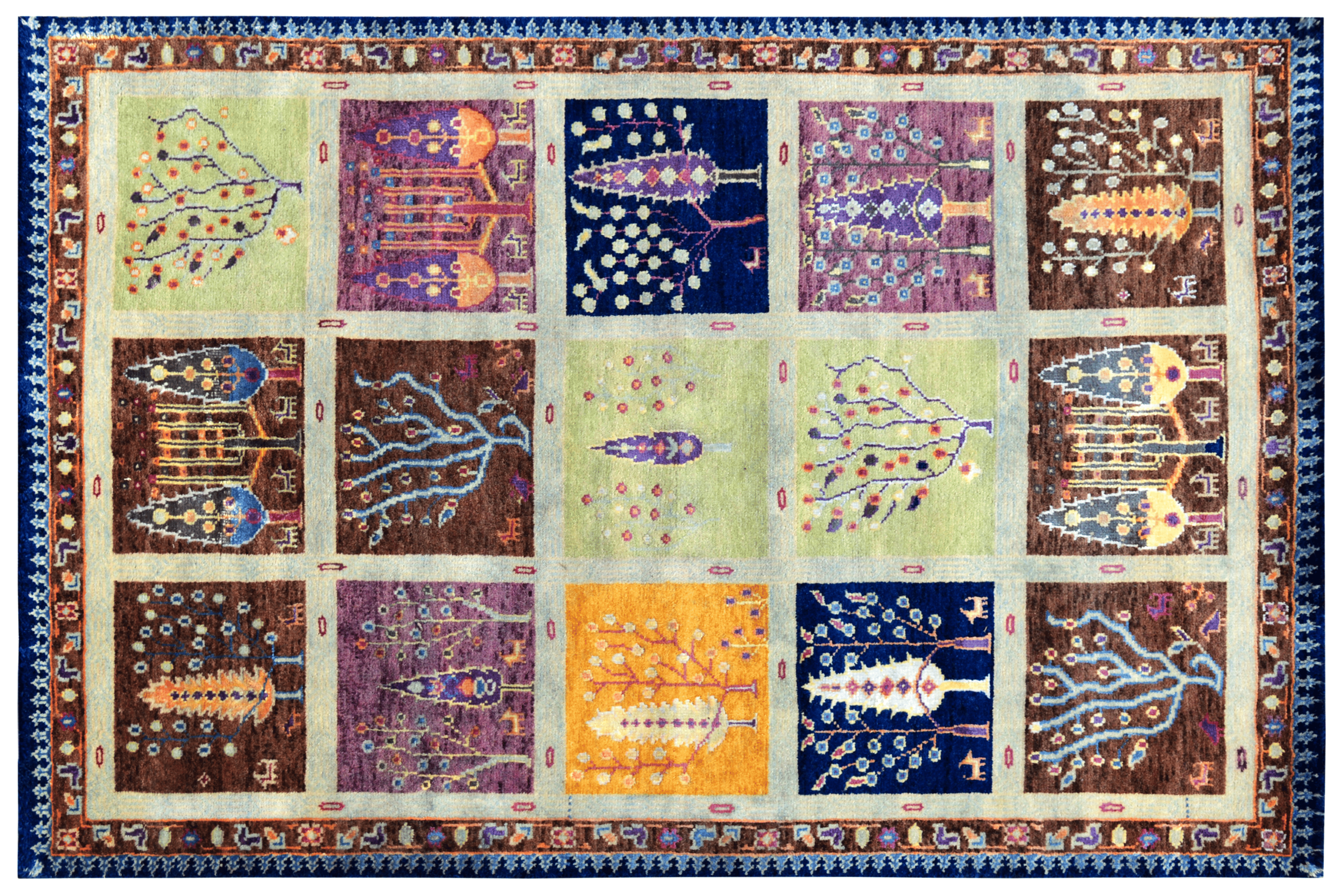
Hand-knotted rug by National Art Company
Art has always been one of humanity’s most powerful
forms of expression. Across centuries and cultures,
people have used visual creativity to communicate
emotions, experiences and ideas that words often fail
to capture.
Whether through paintings, sculptures, textiles or
abstract
compositions, art transforms invisible
feelings into something we can see, experience and
connect with.
At its core, art is deeply psychological. Every colour
choice, texture, brushstroke and composition reflects
emotion in some form. Artists use their work to express
inner thoughts while viewers often discover their own
emotions reflected in the artwork they see. This
emotional exchange is what gives art its lasting
significance.
Art as a Reflection of Human Emotion
Creative expression often begins with emotion. Feelings
such as joy, sadness, nostalgia, anxiety, hope or
confusion can all inspire artistic creation.
Instead of describing emotions directly, artists
translate them into visual language that communicates
on a deeper, instinctive level.
For many creators, art becomes a form of emotional
release. It allows them to process experiences, express
thoughts and transform internal feelings into something
tangible.
A canvas filled with bold strokes may express intensity
or passion, while softer tones and delicate details
often suggest calmness or reflection.
This ability to turn emotion into imagery is what makes
art feel so human. Even without knowing the artist’s
story, viewers can often sense the emotional energy
within a piece.
The Psychological Impact of Colour and Form
Visual elements strongly influence how people respond
emotionally to art. Colours in particular carry
powerful psychological associations.
Warm tones such as red, orange and yellow are often
linked to energy, warmth and excitement. Cooler tones
such as blue and green are commonly associated with
calmness, depth or melancholy.
Shapes, textures and composition also shape emotional
perception. Sharp lines and irregular forms can create
tension or movement while balanced structures and
smooth textures often evoke harmony and stability.
Abstract art is especially powerful because it relies
less on literal meaning and more on emotional
interpretation. Without fixed definitions, viewers
naturally connect the work to their own memories and
experiences.
The same artwork can feel comforting to one person and
thought-provoking or deeply emotional to another. This
openness is what makes abstract art so engaging, as it
invites personal interpretation rather than providing
a single fixed meaning.
Art and Emotional Wellbeing
Art is not only expressive but also therapeutic.
Research in psychology highlights the positive impact
creative activity can have on emotional wellbeing.
Drawing, painting or engaging with art can help people
process emotions in a safe and non-verbal way. This is
one reason art therapy is widely used in mental health
support and emotional healing practices.
Even viewing art can have a calming effect. Certain
works encourage reflection, comfort or inspiration,
creating moments of mindfulness in an increasingly
fast-paced world.
Art offers a chance to slow down, focus and reconnect
with our emotions.
The Unique Connection Between Art and the Viewer
One of the most fascinating aspects of art is that no
two people experience it in the same way. Personal
memories, cultural background and emotional state all
influence interpretation.
A painting that represents hope for one person may
evoke nostalgia or loss for another. This subjectivity
is what makes art deeply personal and endlessly
meaningful.
Rather than offering a single fixed message, art
creates space for emotional exploration and individual
interpretation.
In many ways, art becomes a silent conversation between
artist and viewer. Through visual storytelling,
emotions are shared without words, allowing meaning to
move from one person to another through experience
rather than explanation.
Why Art Remains Timeless
Despite changes in technology and society, art
continues to hold immense emotional value. It speaks
to something fundamentally human, the desire to
express, understand and connect through emotion.
At National Art Company, this belief guides our
philosophy and is reflected in every rug and carpet we
craft, where we treat each handmade piece as more than
a
product and instead as a work of art shaped by
tradition, craftsmanship and intention.
Whether displayed in galleries, woven into textiles,
painted on walls or created digitally, art continues
to shape the way people communicate and connect. In our
rugs and carpets, this idea comes to life through
patterns, textures and craftsmanship that carry meaning
as well as beauty. Its power lies not only in how it
looks, but in how it makes people feel and connect
emotionally.
Note Every rug featured
on this website is an original creation of National Art Company, handcrafted by skilled artisans with exceptional care and precision.
We take pride in authentic craftsmanship and every rug showcased here is entirely handmade.