Threads of Heritage: The Story Behind
Handmade Carpets Across Centuries
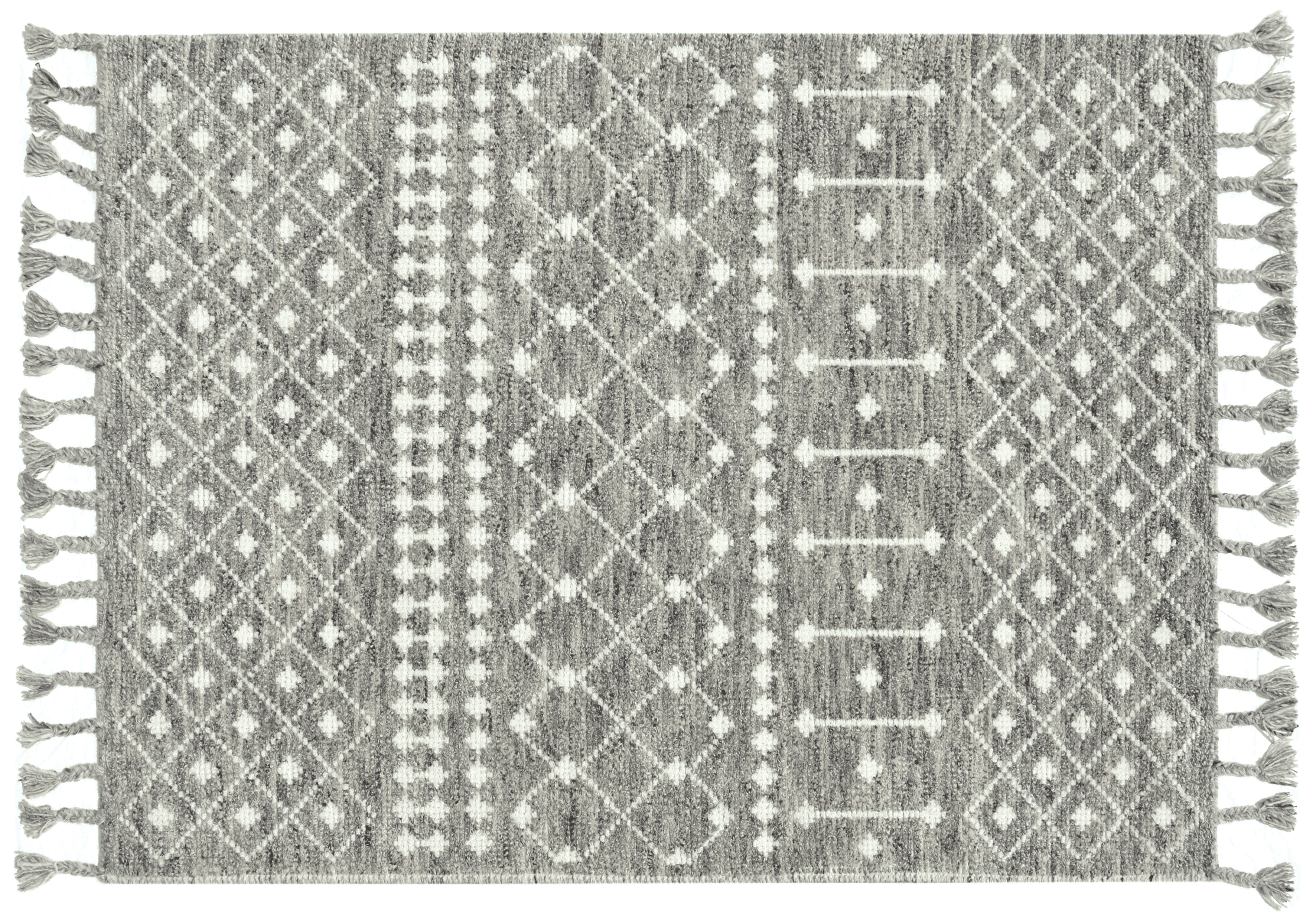
Rug by National Art Company
Handmade carpets have been admired for centuries,
valued not only for their beauty but also for the
craftsmanship, artistry and cultural heritage they
represent. What began as a practical necessity
gradually evolved into one of the world's most
celebrated forms of textile art.
Today, handmade carpets continue to hold a timeless
appeal, bringing warmth, elegance and character to
homes across the globe. Their enduring popularity
reflects a rich history shaped by creativity, tradition
and skilled craftsmanship.
The Origins of Handmade Carpet Weaving
The history of handmade carpets can be traced back to
ancient civilisations, where woven coverings were first
created to provide protection from harsh weather
conditions. These early weavings were simple and
functional, designed primarily for comfort and
practicality.
As weaving techniques developed, artisans began
experimenting with patterns, natural dyes and
increasingly intricate decorative motifs. Over time,
carpets became more than household necessities. They
evolved into artistic expressions that reflected
regional
traditions,
craftsmanship.
The Origins of Handmade Carpet Weaving
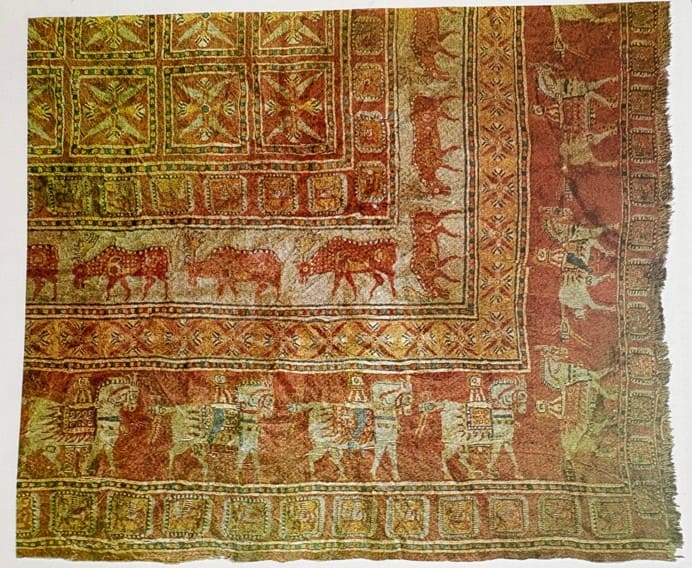
Pazyryk Rug
One of the most significant discoveries in the history
of carpet weaving is the famous Pazyryk carpet, found
in Central Asia.
Dating back more than 2,000 years, the carpet
demonstrates an extraordinary level of craftsmanship
and design sophistication. Its intricate patterns and
detailed construction reveal that carpet weaving had
already developed into a highly respected art form long
before the modern era.
The Pazyryk carpet remains an important symbol of the
enduring legacy of handmade craftsmanship.
The Rise of Persian Carpets and Regional Traditions
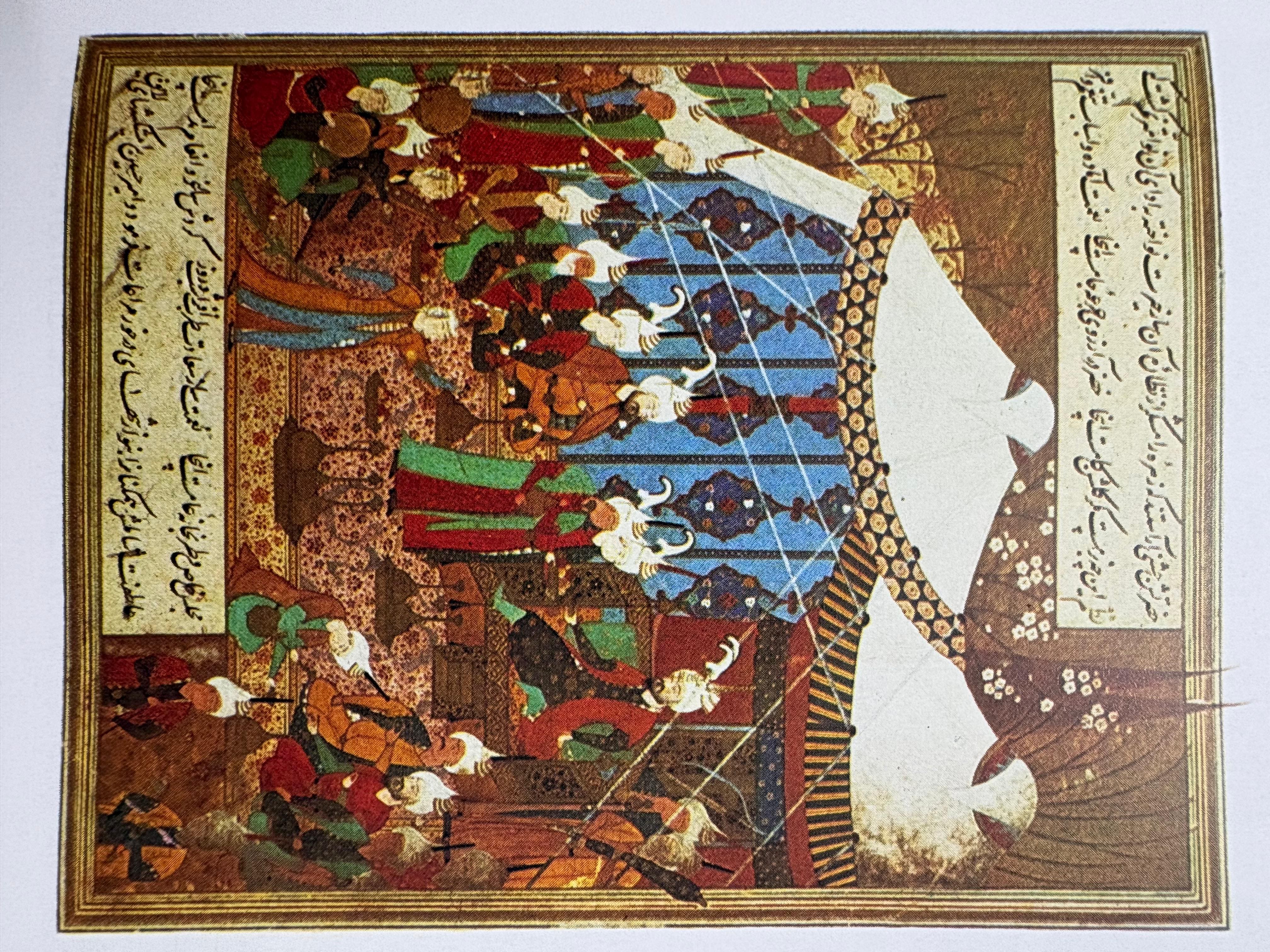
As trade routes expanded throughout the Middle East and
Asia, carpet weaving flourished across several regions,
particularly Persia, Turkey and Central Asia.
Persian carpets gained worldwide recognition for their
exceptional craftsmanship, intricate motifs and
luxurious materials. Floral patterns, geometric designs
and symbolic elements became hallmarks of these
handmade masterpieces.
Each carpet served as a visual narrative, reflecting
the traditions, beliefs and artistic influences of the
region in which it was created. This strong connection
between craftsmanship and culture helped establish
carpets as both functional objects and as works of art.
The Development of Handmade Carpets in India
The art of carpet weaving reached India during the
Mughal period, where it developed into an equally
refined and distinctive craft.
Inspired by Persian weaving traditions, Indian artisans
created their own unique styles characterised by
vibrant colours, elegant motifs and meticulous
craftsmanship. Cities such as Kashmir, Agra and Jaipur
became renowned centres of carpet production, producing
handmade carpets admired around the world.
Indian carpets became especially valued for their fine
wool, luxurious silk textures and exceptional attention
to detail.
What Makes Handmade Carpets Unique?
The true value of a handmade carpet lies in the skill
and dedication behind its creation.
Unlike machine-made rugs, handmade carpets require
months of careful work and thousands of individually
tied knots. Every stage of the process demands
patience, precision and expertise.
These handcrafted techniques create subtle variations
in texture, colour and detailing that cannot be
perfectly replicated by machines. As a result, each
handmade carpet possesses its own unique character and
identity.
Handmade vs Machine-Made Carpets
The rise of industrial manufacturing made machine-made
carpets more affordable and accessible to a wider
audience. While these products offered convenience and
consistency, they lacked the authenticity and
craftsmanship associated with handmade creations.
Handmade carpets continued to be prized for their
durability, artistic value and cultural significance.
Many became treasured family heirlooms, passed down
through generations and appreciated for both their
beauty and heritage.
Handmade Carpets in Modern Interior Design
Today, handmade carpets remain an important element of
both traditional and contemporary interior design
spaces.
Whether placed in a classic drawing room or a modern
living space, they add warmth, texture and
sophistication to their surroundings. Interior
designers continue to embrace handmade carpets for
their ability to bring depth and personality to a room.
By combining traditional weaving methods with
contemporary design influences, artisans ensure that
handmade carpets remain relevant in today's evolving
design landscape.
The Lasting Legacy of Handmade Carpets
The evolution of handmade carpets is a story of
creativity, heritage and timeless craftsmanship. With
over half a century of expertise, National Art Company
carries this tradition forward, creating high-end
handmade and hand-knotted rugs that blend centuries
old craftsmanship with thoughtful, distinctive design.
From ancient weaving traditions to modern luxury
interiors, handmade carpets continue to celebrate the
enduring beauty of human skill and artistic expression,
uniting function, culture and artistry in a timeless
form.
Note Every rug featured
on this website is an original creation of National Art Company, handcrafted by skilled artisans with exceptional care and precision.
We take pride in authentic craftsmanship and every rug showcased here is entirely handmade.