Why Art Feels So Personal: Inside the Mind of Human Creativity and Emotion
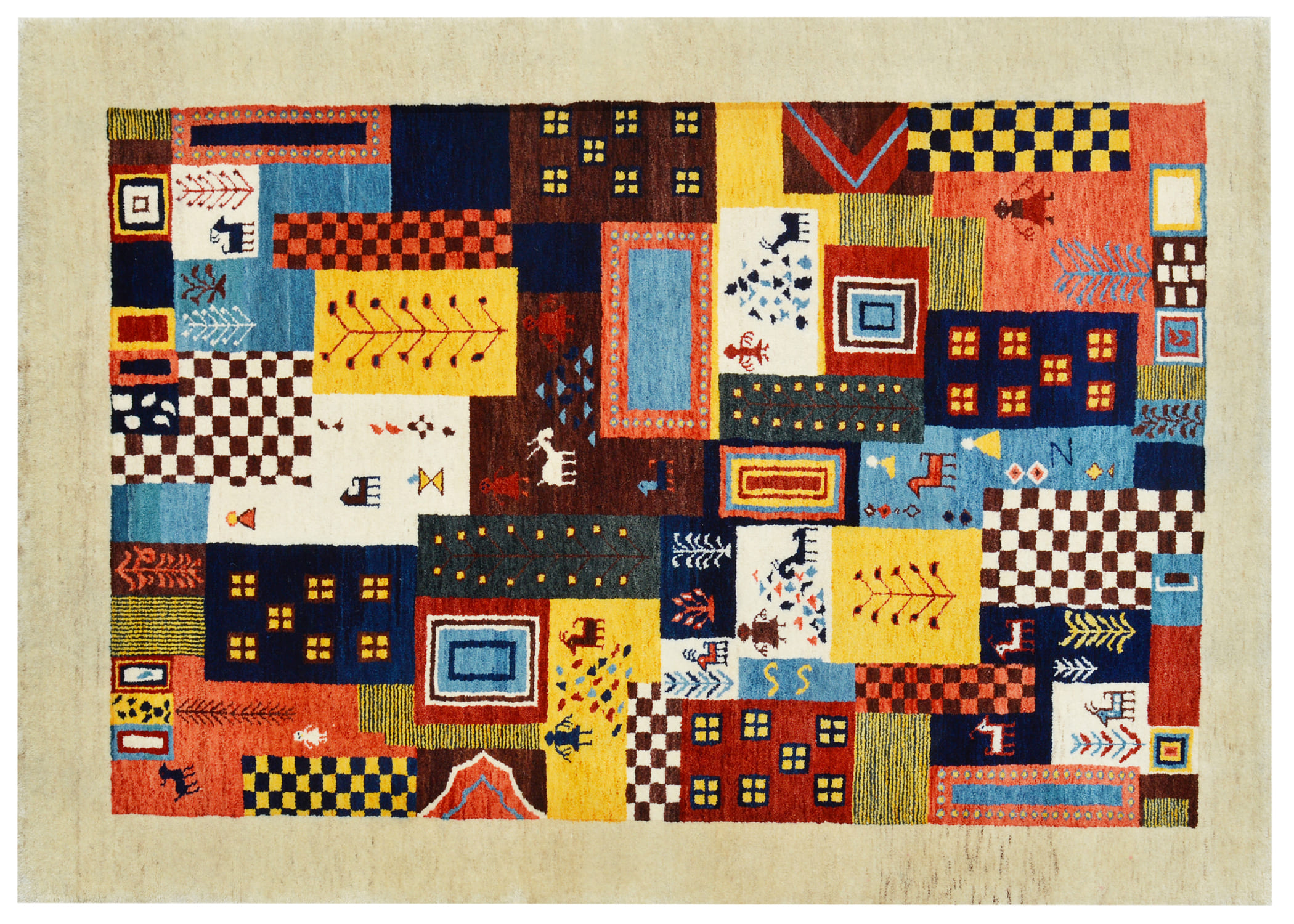
Hand-knotted rug by National Art Company
Have you ever looked at a painting, photograph, or film scene and felt something you could not fully explain?
Perhaps it reminded you of a memory, shifted your mood, or made you pause and reflect for longer than usual.
That reaction is not accidental. It is deeply rooted in psychology.
Art is far more than decoration or entertainment. Research in the psychology of art reveals how creative works
influence emotions, memory and human connection. In many ways, art acts as a mirror, reflecting not only the artist's
emotions but also our own thoughts, memories and sense of identity.
Why We Experience Art Differently
One of the most fascinating discoveries in the psychology of art is that people do not experience art objectively.
Every person views art through the lens of their own experiences, cultural background, emotions and beliefs. As a result,
the same artwork can evoke completely different reactions in different people.
A simple abstract painting may appear meaningless to one viewer while feeling deeply moving and personal to another.
Neither response is right or wrong. Both are shaped by individual perception.
What Happens in the Brain When We View Art?
Art does not simply capture our attention. It also creates an emotional experience within the brain.
Neuroscience research has shown that viewing meaningful art can activate areas of the brain associated with reward, emotion,
memory and social connection. These are some of the same systems involved in experiences of pleasure and personal significance.
This helps explain why certain artworks remain unforgettable long after we have seen them. The emotional response becomes
part of how we remember and interpret the experience.
Why Meaning Matters More Than Perfection
Psychologists suggest that emotional meaning often matters more than technical perfection.
Humans are naturally drawn to stories, intention and authenticity. Understanding the background of an artwork or learning about
an artist's personal experiences can dramatically influence how we perceive a piece. In many cases, what makes art powerful is not
flawless execution but the sense that it expresses something genuinely human.
The Therapeutic Benefits of Art
Art also has significant psychological and emotional benefits.
Creating art or engaging with creative works can help reduce stress, improve emotional regulation and encourage self-expression.
This is one reason why art therapy is increasingly used in mental health settings around the world.
When emotions are difficult to articulate through words, art can provide an alternative way to process feelings and experiences.
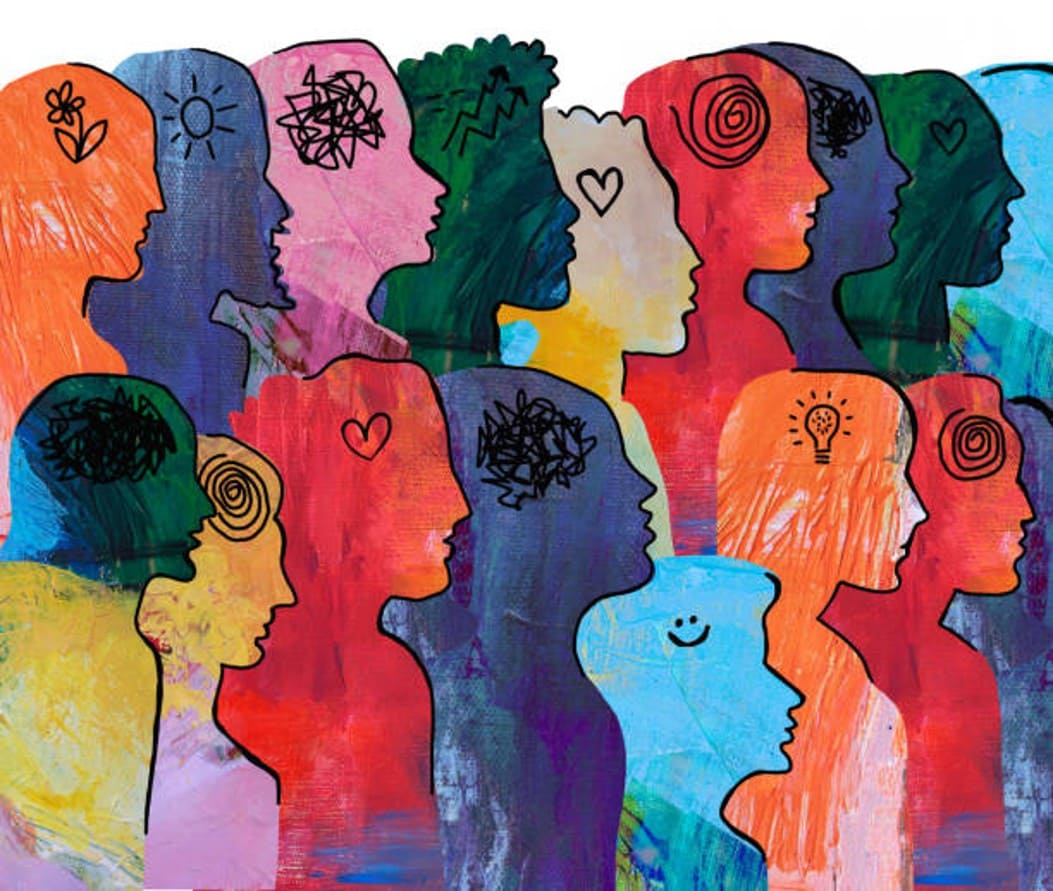
Key Insights from the Psychology of Art
1. Art Is Emotional Before It Is Intellectual
Most people feel something before they begin analysing what they are seeing.
2. Personal Experience Shapes Interpretation
Every viewer brings their own memories, emotions and perspectives to an artwork.
3. The Brain Treats Art as a Rewarding Experience
Meaningful art can stimulate emotional and reward processing systems, engagement.
4. Stories Increase Emotional Impact
Context, intention and personal narratives often influence our response as much as visual beauty.
5. Art Can Improve Wellbeing
Both creating and viewing art may reduce stress and support emotional healing.
6. There Is No Correct Way to Experience Art
Different interpretations and emotional responses are natural, valid and expected.
Why Art Continues to Matter
Perhaps the most reassuring insight from the psychology of art is that appreciating creativity does
not require expert knowledge or formal training.
Art is not reserved for critics, galleries or academics. It belongs to everyone because emotion belongs to everyone.
At National Art Company, we see art as more than something to be viewed. It is something to be experienced.
It invites curiosity, encourages reflection and creates meaningful connections between people, ideas and emotions.
This philosophy lies at the heart of our approach to curating handmade rugs, where each piece is selected for its artistic character,
cultural significance and ability to enrich everyday spaces.
At its heart, art matters because it helps us feel understood. It captures emotions we struggle to describe,
preserves moments that words alone cannot fully hold and reminds us that every human experience is unique.
Whether it is a masterpiece displayed in a museum or a simple sketch drawn in a notebook, art has the power to
connect us through emotion, memory and meaning.
That connection is what makes art timeless.
Note Every rug featured
on this website is an original creation of National Art Company, handcrafted by skilled artisans with exceptional care and precision.
We take pride in authentic craftsmanship and every rug showcased here is entirely handmade.